
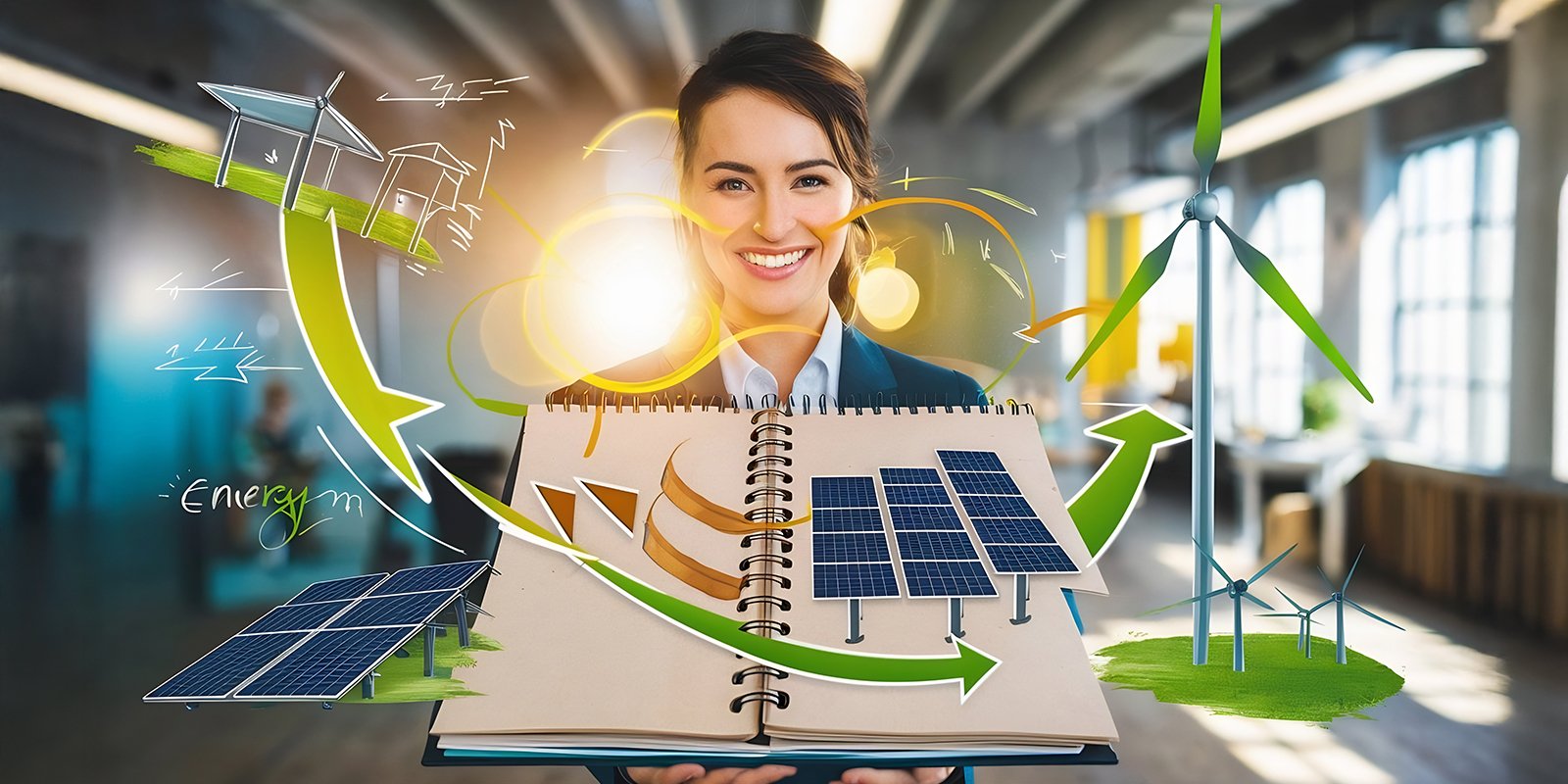
Top 10 Benefits of Switching to Green Energy

Green energy is no longer just a buzzword, it’s becoming a smart, practical choice for homes, businesses, and entire nations. With rising concerns about climate change, pollution, and the long-term costs of traditional energy sources like coal and oil, many people and companies are choosing cleaner, safer alternatives. Necon has been at the forefront of promoting innovative renewable energy solutions, helping communities and industries transition toward sustainable power.

10 Benefits of Switching to Green Energy

Green energy comes from natural sources like sunlight, wind, and water that are continuously replenished. Unlike fossil fuels, these resources won’t run out, making them a long-term solution for global energy needs.

1. Reduces Carbon Emissions

Switching to green energy significantly lowers greenhouse gas emissions, helping combat climate change and reduce your carbon footprint.

2. Environmentally Friendly

Green energy produces little to no pollution, which means cleaner air, water, and soil benefiting both people and ecosystems.

3. Cost Savings Over Time

Although initial installation may be higher, renewable energy systems reduce electricity bills in the long run and offer strong returns on investment.

4. Energy Independence

By generating your own power, you reduce reliance on imported fuels and protect yourself from fluctuating energy prices.

5. Job Creation

The renewable energy sector is rapidly growing, creating jobs in manufacturing, installation, maintenance, and innovation.

6. Sustainable Development

Green energy supports long-term economic and environmental sustainability without depleting natural resources.

7. Low Maintenance Costs

Most renewable systems, especially solar panels, require minimal maintenance and have long operational lifespans.

8. Increases Property Value

Homes and businesses powered by green energy often have higher market value and attract environmentally conscious buyers.

9. Improves Public Health

Reducing pollution leads to fewer respiratory and cardiovascular diseases, improving overall community health.

10. Future-Proof Energy Solution

As the world shifts toward sustainability, adopting green energy ensures you stay ahead with a future-ready, responsible energy choice.

How Does Green Energy Help the Environment?

One of the biggest reasons people switch to green energy is to protect the environment. Energy generated from the sun, wind, and other natural sources doesn’t produce pollution like coal or oil. This means:

  • Lower carbon emissions — helps slow down climate change by cutting down the release of carbon dioxide.
  • Cleaner air and water — since harmful pollutants aren’t released into the atmosphere or waterways.
  • Biodiversity protection — renewable energy systems tend to be less disruptive to animal and plant life than fossil fuel extraction.

By embracing green energy, we create a healthier world for ourselves, our children, and future generations.

Can Switching to Green Energy Save You Money?

Yes, in many ways!

Green energy options like solar panels and wind systems may require an upfront investment, but over time they have major financial advantages:

  • Lower energy bills: Once installed, solar and wind systems generate power at little to no ongoing cost.
  • Stable energy costs: Unlike fossil fuels that can go up or down in price due to market conditions, renewable energy prices tend to stay predictable.
  • Long-term savings: Over the years, savings on utility bills often outweigh the original installation cost, making green energy a smart economic choice.

Whether for homes or businesses, this financial predictability makes green energy very appealing.

Does Green Energy Help Combat Climate Change?

Finally, perhaps the most important benefit: switching to green energy plays a major role in fighting climate change. Greenhouse gas emissions from burning fossil fuels are the leading cause of global warming. By choosing renewable energy, we dramatically reduce the amount of carbon released into the atmosphere, helping stabilise global temperatures and protect ecosystems.

Everyone, from individuals to governments, benefits when we embrace cleaner, more sustainable forms of power.

Conclusion

Switching to green energy isn’t just something for environmental activists, it’s a practical, economical, and forward-thinking choice with benefits that touch every part of our lives. Whether you care about cleaner air, lower energy bills, stronger energy independence, or a healthier future for the next generation, green energy delivers powerful advantages. And organizations like Necon Group of Companies are helping make this transition easier, offering modern renewable solutions that support both today’s needs and tomorrow’s goals.

Making the switch isn’t just good for the planet, it’s good for people too. The future is green, and it starts with the choices we make today.
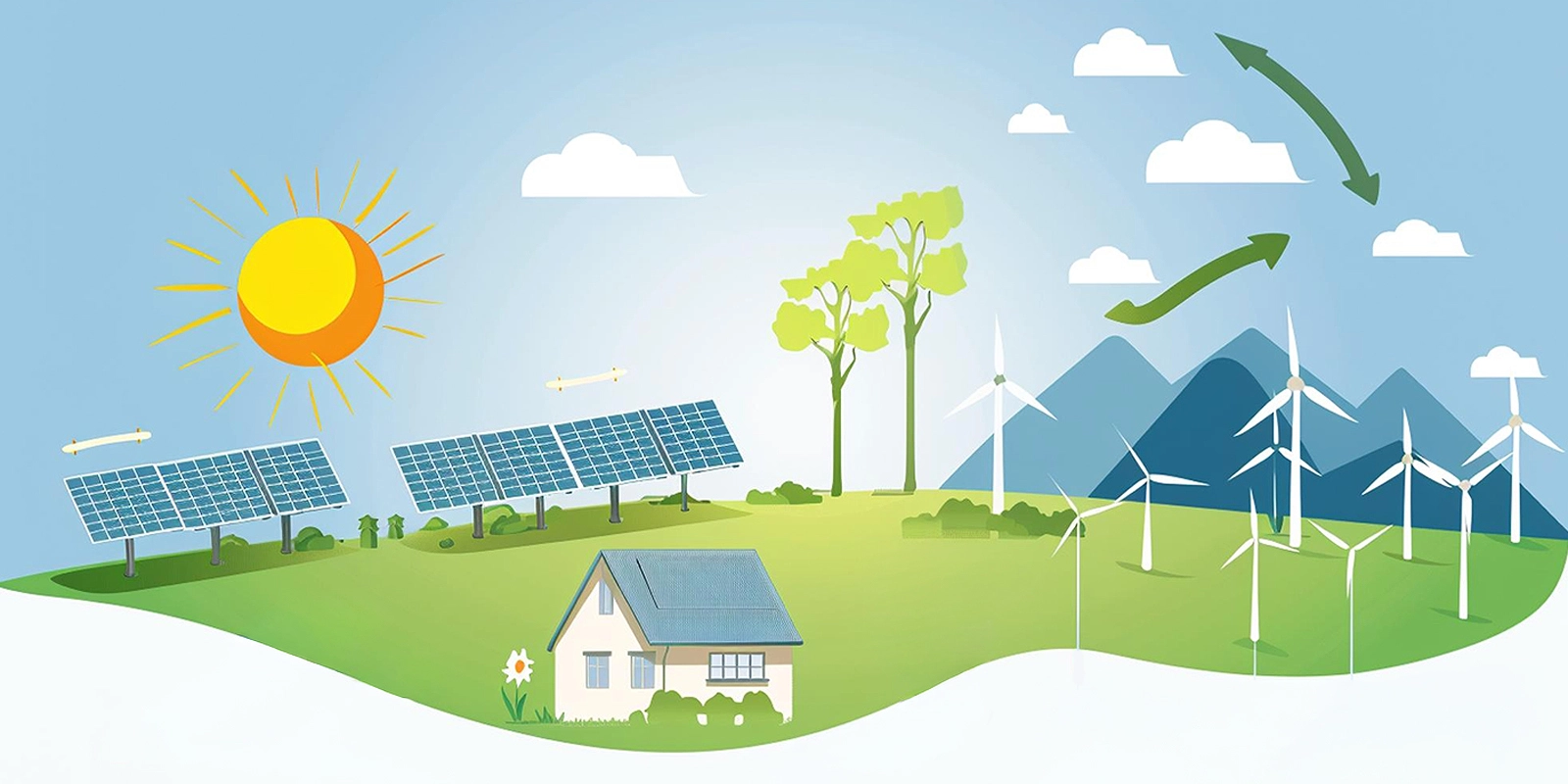
How Renewable Energy Reduces Carbon Footprint

As the world moves deeper into the digital age, energy demand is rising rapidly. However, traditional energy sources primarily fossil fuels are major contributors to carbon emissions and climate change. This is where renewable energy steps in as a transformative solution. By harnessing natural resources like sunlight, wind, and water, renewable energy plays a crucial role in reducing our carbon footprint and building a more sustainable future.

NECON Group are at the forefront of this movement, offering renewable energy solutions that make our power cleaner, more sustainable, and better for Earth’s future.

What is a Carbon Footprint?

A carbon footprint refers to the total amount of greenhouse gases, mainly carbon dioxide (CO₂), released into the atmosphere due to human activities. These emissions come from electricity generation, transportation, industrial processes, and more. The higher the reliance on fossil fuels, the larger the carbon footprint.

How Exactly Does Renewable Energy Help Reduce Carbon Emissions?

1. Clean and Almost Zero Operational Emissions

Solar panels and wind turbines generate electricity without burning fuel. This means they don’t emit carbon dioxide during operations. Once these systems are installed, they produce clean power day after day without releasing greenhouse gases into the air.

For example, when a solar panel generates 1 kilowatthour (kWh) of electricity from sunlight instead of from coal, it prevents approximately 0.8 kg of CO₂ emissions that would have occurred from coalbased power. Over the life of the system, 25+ years this, adds up to a huge reduction in carbon emissions.

2. Lower Dependence on Fossil Fuels

Renewable energy reduces our reliance on fossil fuels, the largest source of humanmade carbon emissions. By adding more wind and solar capacity to the grid, countries can reduce how much coal and gas they burn. When renewable energy grows in scale, it displaces fossil fuel power and cuts emissions across the entire electricity sector.

Large renewable projects like solar power parks and wind farms contribute not just to cleaner energy but also to better air quality and reduced environmental harm, which benefits both public health and ecosystems.

3. Clean Energy Around the Clock with Hybrid Systems

Renewable technologies are becoming smarter and more efficient. NECON Group are developing hybrid renewable energy systems that combine solar and wind power. These systems take advantage of both the sun and wind, offering a more consistent, 24/7 clean power supply. This steady flow of renewable energy further reduces the need for fossil fuel backup generation, which often emits more carbon.

Moreover, integrating renewable energy with battery storage means excess power generated during the day can be stored and used later, cutting down even more on carbon emissions.

Can Renewable Energy Really Make a Big Impact?

Yes, and the impact is already widespread:

  • Reduces Carbon Emissions – Renewable energy technologies like solar and wind emit little to no greenhouse gases once installed, making them powerful tools for fighting climate change.
  • Improves Air Quality – Cleaner energy means fewer pollutants like sulfur dioxide and nitrogen oxides are released, resulting in better air quality and fewer health problems like asthma and heart disease.
  • Supports Sustainable Growth – As renewable capacity increases, countries can support economic growth without the added burden of pollution and climate impact.
  • Conserves Natural Resources – Renewable sources like sunlight and wind are abundant and infinite, unlike fossil fuels that are limited and environmentally damaging to extract.

Why is this So Important for Our Future?

Climate scientists warn that if global emissions continue at the current pace, we could see increasingly severe consequences from climate change from, droughts and heat waves to floods and rising sea levels. Reducing our carbon footprint isn’t just a technical goal; it’s a necessity for protecting ecosystems, agriculture, coastal communities, and even global economies.

Reducing carbon footprint is essential for combating global warming, improving air quality, and protecting ecosystems. Transitioning to renewable energy not only helps the environment but also supports economic growth, energy security, and technological innovation.

Conclusion

Renewable energy is one of the most powerful tools we have to reduce our carbon footprint and protect the planet for future generations. By producing electricity without burning fossil fuels, technologies like solar and wind cut greenhouse gas emissions, improve air quality, and conserve natural resources. Companies such as NECON Group of Companies are helping make this transition possible by building and innovating clean energy solutions that are reliable, efficient and scalable.