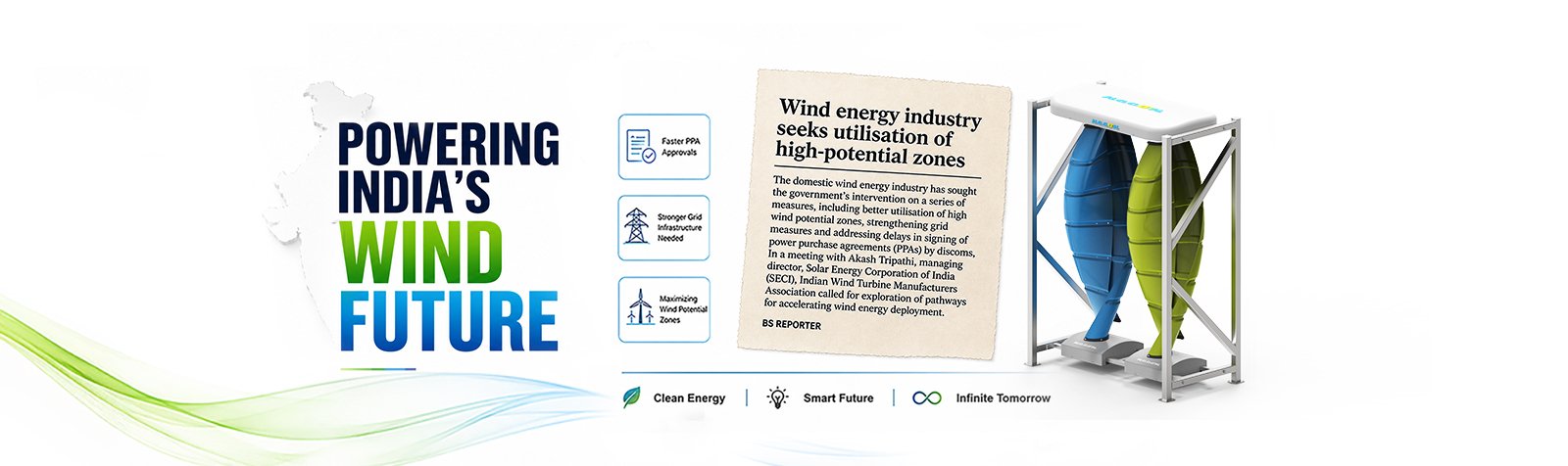
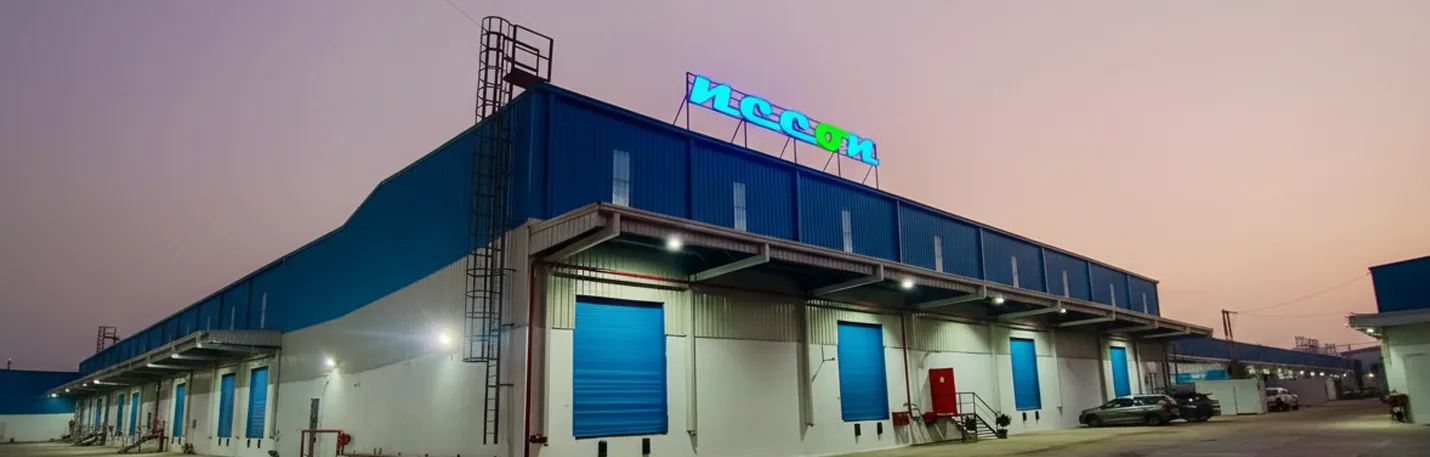
As India cements its place as the world’s third-largest renewable energy market, one Ahmedabad-based manufacturer is scaling up to meet the moment. Necon Renewable Energy has commissioned a new state-of-the-art manufacturing facility, a move the company says is central to its long-term strategy of leading India’s transition to clean, future-ready power infrastructure.
The announcement comes at a pivotal time. India added a record 55.3 GW of non-fossil fuel capacity in FY 2025-26, the highest annual increase in the country’s history, bringing total renewable installed capacity to 275 GW. Wind energy alone crossed 56 GW of installed capacity, with roughly 6 GW added in a single fiscal year, a 44 percent jump over the previous year. Against that backdrop, the case for expanding domestic renewable energy manufacturing has never been stronger.
Scaling Capacity for a Surging Market
Necon’s new facility is designed with precisely that demand in mind. Equipped with high-throughput production lines, advanced automation, and tightly controlled quality assurance systems, the plant is built to accelerate the manufacture of wind energy equipment and components at a scale suited to both large project pipelines and the fast-moving requirements of utility developers.
The company, which offers a portfolio spanning vertical axis wind turbines,
solar power parks, and hybrid power systems, has positioned itself at the intersection of technologies that India’s grid increasingly depends on. Its hybrid approach, combining wind and solar generation to deliver round-the-clock clean power, addresses one of the sector’s most persistent challenges: intermittency.
The facility’s commissioning is expected to shorten project delivery timelines, strengthen supply chain resilience across Necon’s customer base, and improve cost competitiveness at a time when developers are under pressure to bring projects online faster.
A Strategic Move Aligned with National Priorities
India’s renewable energy manufacturing ecosystem has undergone a fundamental transformation in recent years. Wind turbine manufacturing capacity has grown from roughly 10 GW in 2014 to approximately 24 GW today, even as the government introduced a suite of measures, from reduced GST on renewable components to the launch of the Renewable Energy Equipment Import Monitoring System (REEIMS), to deepen domestic supply chains and reduce import dependence.
For companies like Necon, that policy environment creates both obligation and opportunity. The 500 GW non-fossil fuel target by 2030 is not simply a national ambition; it is a procurement signal, and manufacturers that can deliver quality at scale are well positioned to capture a meaningful share of the investment pipeline. Industrial analysts tracking the sector estimate over $725 billion in renewable projects currently active or in development across India.
This expansion isn’t just about adding square footage. We’ve been deliberate about building infrastructure that can grow with the market, capacity that serves our customers today and positions us to lead as India accelerates toward its 2030 goals. Expanding our manufacturing footprint reflects who we intend to be in this industry: a long-term partner in India’s clean energy transition, not just a supplier.
Clean Energy Manufacturing, Built Responsibly