1. Renewable Energy Allocation Gets a Major Boost
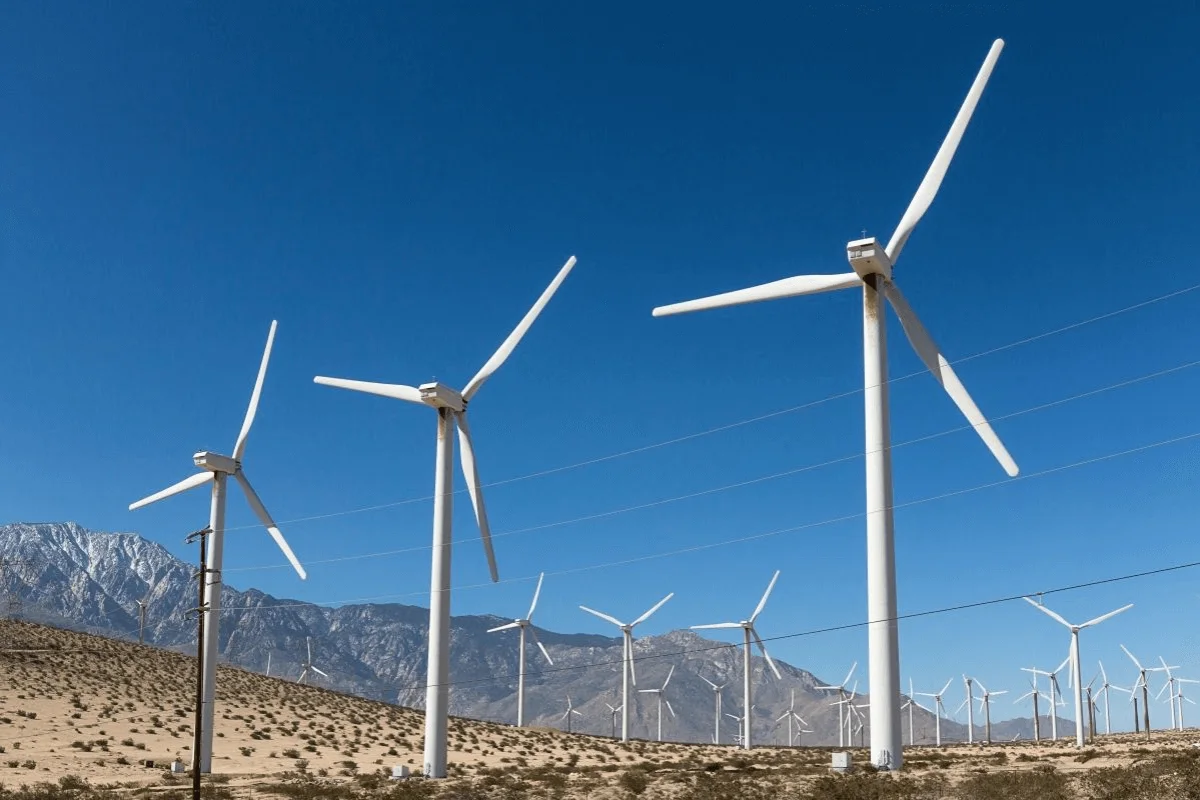
One of the standout features of Budget 2026 is the significant increase in funding for renewable energy. The Ministry of New and Renewable Energy (MNRE) received one of its largest ever allocations, signaling a strong policy push toward clean power expansion.
Key Budgetary Numbers
- Overall renewable energy allocation has been raised to roughly ₹32,914.7 crore, a substantial increase from previous years.
- The PM Surya Ghar: Muft Bijli Yojana India’s flagship rooftop solar program received ₹22,000 crore, up nearly 29% from the previous budget estimate.
- Solar energy outlay across the sector is reported at ₹30,539 crore, representing a jump of over 30%.
What this means: These budgetary enhancements reflect the government’s intent to expand both large-scale and distributed solar power across India, making solar a central plank in India’s clean energy roadmap.
2. Strong Emphasis on Solar Manufacturing and Value Chains
Beyond expanding rooftop installations and overall spending, Budget 2026 places a strong emphasis on developing solar manufacturing within India, a crucial step toward reducing import dependence and creating jobs.
Customs Duty Exemptions
- Capital goods for lithium-ion cell manufacturing used in energy storage systems will now attract nil basic customs duty (BCD).
- Sodium antimonate, a key input for manufacturing solar glass, also enjoys duty exemptions, significantly reducing production costs.
This duty relief is designed to strengthen domestic solar panel and battery manufacturing capabilities, promote local supply chains, and make India more competitive on the global stage. Manufacturers and industry stakeholders have responded positively, highlighting that these steps will reduce costs and enhance India’s global competitiveness.
3. Battery Storage, The Cornerstone of a Stable Solar Grid
Solar energy is inherently variable, producing power only when the sun shines. To ensure grid stability and effective consumption, energy storage is paramount.
Budget 2026 recognises this and includes policy incentives for battery manufacturing, especially battery energy storage systems (BESS). Exempting lithium-ion battery manufacturing equipment from customs duties will:
- Strengthen domestic BESS production.
- Lower costs for grid-scale storage solutions.
- Support smoother integration of solar power into India’s energy mix.
Industry experts say that stronger storage capacity will enable India to better manage solar intermittency, reduce dependence on fossil fuel plants for peak support, and uphold grid reliability.
4. Carbon Capture Utilization and Storage (CCUS): A New Focus
In a major first for India’s energy budgets, Budget 2026 earmarked ₹20,000 crore over five years for Carbon Capture, Utilization and Storage (CCUS).
Why CCUS Matters
CCUS technology helps industries capture carbon emissions from hard-to-decarbonise sectors such as steel, cement, and refining industries that are difficult to clean entirely using renewable energy alone. By investing in CCUS, India:
- Signals a serious commitment to deep decarbonisation.
- Creates a pathway for heavy industries to reduce emissions.
- Builds credibility with global partners and investors targeting net-zero value chains.
Industry reactions indicate that this CCUS investment bridges technology innovation with climate action, positioning India as a key player in the global decarbonisation narrative.
5. PM Surya Ghar & Rooftop Solar: Power to Households
The PM Surya Ghar: Muft Bijli Yojana continues to be flagship programs for distributed solar adoption. Under this scheme:
- The government provides financial support for rooftop solar installations on homes.
- Homeowners benefit via lower electricity bills, greater energy independence, and a share in India’s net-zero mission.
With an almost ₹22,000 crore budgetary commitment, this program aims to take solar power into millions of households, directly empowering citizens and decentralising solar generation.
6. PM-KUSUM: Solar for Rural India and Agriculture
The Pradhan Mantri Kisan Urja Suraksha Evam Utthan Mahabhiyan Yojana (PM-KUSUM) program, which encourages solar pumps and decentralised solar grids for farmers, also saw a significant enhancement in its budget.
This aligns with the government’s rural electrification goals, helping farmers:
- Gain affordable and reliable energy sources.
- Reduce dependency on diesel and grid power.
By linking solar energy with agricultural productivity, India is strengthening energy inclusion and rural growth.
7. Industry Reactions: Broad Support and Expectations
The renewable energy sector has largely reacted positively to Budget 2026, highlighting several key themes:
- Clear Policy Signals: Industry leaders say the budget provides much-needed policy clarity, especially on customs duty exemptions, domestic manufacturing incentives, and storage prioritisation.
- Manufacturing & Self-Reliance: Executives emphasised that supporting local production, especially for solar panels, components, and batteries, aligns with India’s larger goal of becoming a clean energy manufacturing hub.
- Financial and Market Confidence: Greater capital expenditure, stronger budget allocations, and supportive tax policies are expected to boost investor confidence and stimulate private sector engagement.
While responses are generally upbeat, industry experts also stress the need for timely implementation and demand certainty to realise the full benefits of these budgetary measures.
8. Broader Economic and Infrastructure Context
Budget 2026 isn’t just about energy; it reinforces infrastructure and manufacturing growth across sectors:
- India’s capital expenditure was increased to ₹12.2 lakh crore, supporting infrastructure that indirectly benefits renewable deployment.
- Strategic initiatives such as rare earth corridors and semiconductor missions also support critical energy technologies needed for solar and storage equipment.
This comprehensive growth framework complements the solar and renewable agenda, anchoring India’s energy transition within a broader economic strategy.
9. What This Budget Means for India’s Energy Future
The Solar Budget 2026 signals several important strategic shifts:
- Solar and renewables remain a top government priority.
- Domestic manufacturing will be incentivised and supported on a scale.
- Grid stability and energy storage are acknowledged as essential enablers.
- Climate technology and decarbonisation initiatives are embedded in fiscal planning.
Collectively, these measures:
- Strengthen India’s clean energy ecosystem.
- Reduce fossil fuel dependency and energy imports.
- Enable technological innovation and job creation.
- Propel India toward its 500 GW non-fossil energy target by 2030 and Net-Zero by 2070 goals.